
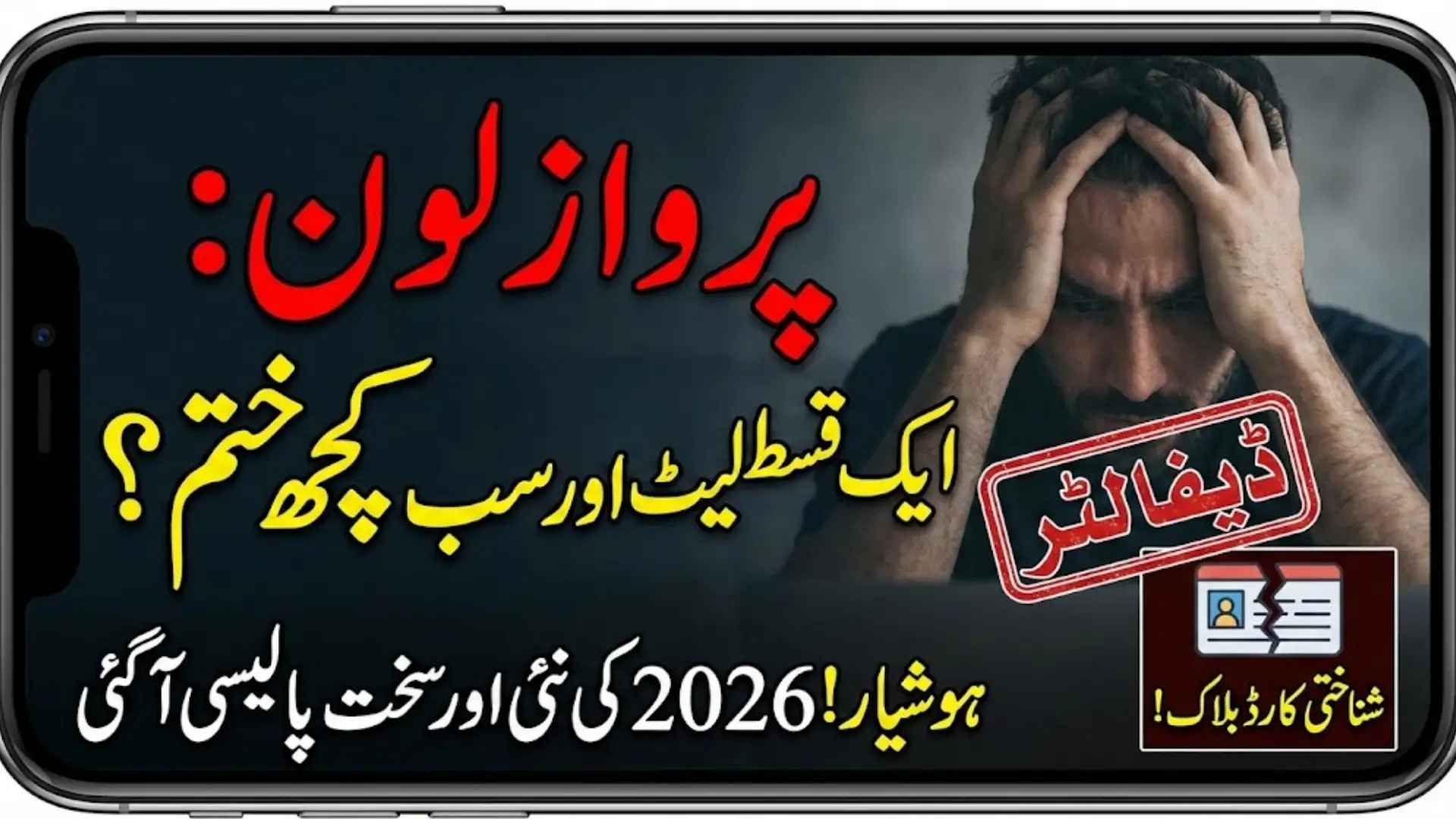
Parwaaz Loan Late Payment Penalties
Parwaaz Loan Late Payment Penalties has played an important role in helping young Pakistanis stand on their own feet. From small shop owners to self-employed individuals, many people have used this loan to start earning with dignity. However, based on what I have seen while covering loan-related issues, most borrowers focus heavily on getting the loan approved and very little on what happens after the money arrives.
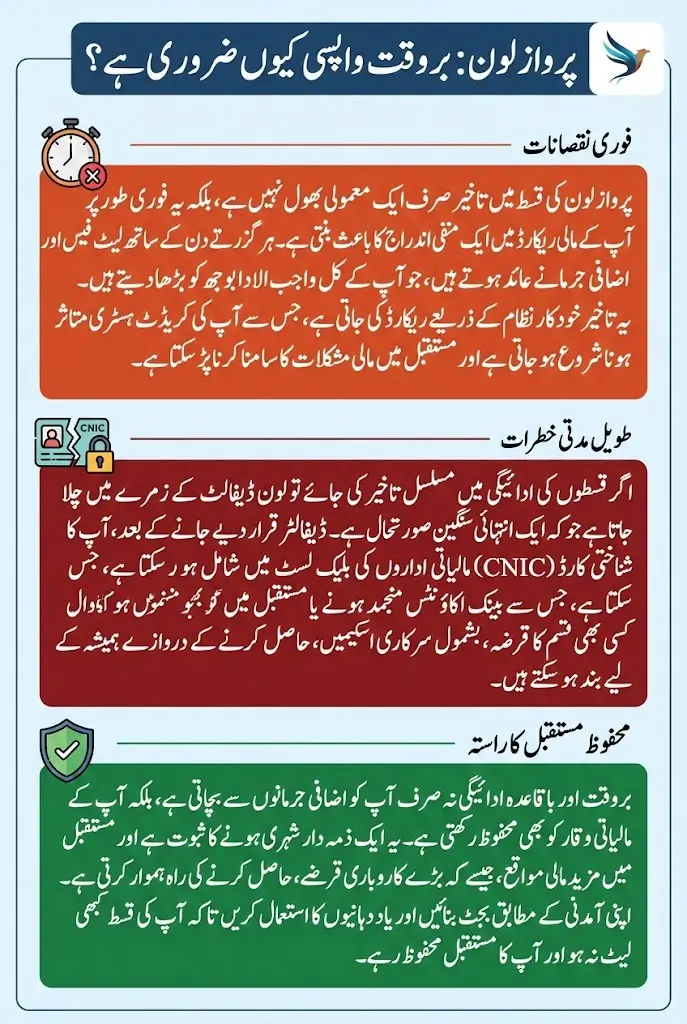
Repayment is where real responsibility begins. Many people assume that because this is a government-backed scheme, delays will be ignored or adjusted automatically. This misunderstanding often leads to penalties, damaged records, and unnecessary stress. Knowing the repayment discipline is not just useful, it is essential for protecting your financial future.
How Installments Are Scheduled Under Parwaaz Loan
When a Parwaaz loan is approved, the repayment structure is clearly defined and communicated to the borrower. There is nothing hidden or unclear in the process. The installment system is designed to be simple so that even people with basic financial knowledge can understand it easily.
At the time of loan disbursement, borrowers are informed about:
- Total approved loan amount
- Fixed monthly installment size
- Overall repayment duration
- Monthly due date
These terms are part of a formal agreement. Once signed, the borrower is legally and morally responsible for following this schedule, regardless of personal or business challenges.
Timeline of a Missed Installment
In the Parwaaz system, even a single missed installment is taken seriously. From what I have observed, many borrowers think that paying a few days late will not matter. In reality, the system records the delay automatically the moment the due date passes.
A missed installment usually triggers:
- Overdue status in the loan system
- Internal late payment entry
- Activation of reminder mechanisms
While penalties may not always apply immediately, the record of delay is created, and this can become a problem if delays continue.
Hidden Cost of Paying Late
Late payments are not just about paying the installment later. They come with hidden financial costs that slowly increase the burden on the borrower. Many people only realize this when the outstanding amount becomes difficult to manage.
Late payment consequences often include:
- Additional penalty charges
- Administrative or follow-up fees
- Increased total payable amount
If delays repeat, these charges accumulate and make repayment more stressful than it originally needed to be.
Early Warning Signals from the Loan Authority
The first missed installment usually triggers warning signals. These warnings are meant to help the borrower correct the mistake before it turns into a bigger issue. Unfortunately, many people ignore these early alerts, assuming they are routine messages.
Borrowers usually receive:
- SMS reminders about overdue payments
- Phone calls from loan representatives
- Notices requesting immediate clearance
Responding at this stage can prevent penalties and stop the loan from moving into a risky category.
Long-Term Risk of Continuous Delays
When late payments become a habit, the loan account is no longer seen as normal. Repeated delays indicate risk, and the lender begins closer monitoring. From what I have seen, this is where borrowers start feeling pressure.
At this stage:
- Loan status may be marked irregular
- Follow-ups become more frequent
- Official notices may be issued
The financial and mental burden increases quickly once penalties and unpaid installments pile up together.
Default Stage and Its Serious Meaning
Default is the most serious outcome of non-payment. When installments remain unpaid for several months beyond the allowed period, the loan is officially declared defaulted. This is not just a label; it carries long-term consequences.
Once default occurs:
- Borrower is categorized as defaulter
- CNIC-based records are affected
- Information may be shared with financial institutions
Recovering from default is difficult and time-consuming.
Effect on CNIC-Based Financial Profile
In Pakistan, financial history is closely linked with CNIC. A poor repayment record does not stay limited to one loan. It follows the borrower into future financial dealings.
Late payments can result in:
- Difficulty obtaining new loans
- Ineligibility for government schemes
- Reduced trust from banks and institutions
Even if the loan is eventually repaid, the history of delays can still influence future decisions.
Recovery Measures You Should Be Aware Of
If payments continue to be ignored, recovery actions begin. These steps are taken according to the loan agreement and are legally enforceable. I have seen cases where borrowers ignored early warnings and later faced serious trouble.
Recovery measures may include:
- Written legal notices
- Contacting the guarantor
- Financial recovery proceedings
Once recovery starts, the situation becomes far more complicated.
What To Do If Income Problems Arise
Financial hardship is a reality, especially for small entrepreneurs. The Parwaaz system does allow limited flexibility, but only when borrowers communicate early and honestly.
If you face genuine difficulty:
- Inform the loan office before due date
- Explain your situation clearly
- Avoid complete silence
Early communication often makes the difference between relief and penalty.
Flexibility Options for Genuine Borrowers
Relief options are not guaranteed, but they are possible in certain cases. Authorities may review the borrower’s situation, especially if there is a clean repayment record in the past.
Relief decisions usually depend on:
- Previous payment history
- Reason for delay
- Borrower’s cooperation
Those who have shown responsibility earlier have better chances of consideration.
Common Errors That Make Problems Worse
Over the years, I have noticed the same mistakes repeated by borrowers who fall into trouble. These mistakes often turn small delays into long-term financial damage.
Common errors include:
- Ignoring calls and reminders
- Believing government loans are lenient
- Taking another loan to pay installments
These actions almost always worsen the situation.
Practical Planning to Stay Payment-Safe
Avoiding late payments does not require complex financial knowledge. Simple planning and discipline can keep the loan on track and stress-free.
Helpful habits include:
- Aligning income with installment dates
- Keeping a small emergency reserve
- Setting phone or calendar reminders
Prevention is always easier than recovery.
Understanding Loan Stages and Their Impact
| Loan Stage | Borrower Status | Financial Risk |
|---|---|---|
| On-time payments | Clean record | Low |
| Occasional delay | Penalties applied | Medium |
| Repeated delays | Irregular account | High |
| Default | Legal and financial action | Very High |
Final Words
Parwaaz Loan late payment penalties are not minor issues that disappear on their own. They grow over time and can seriously damage your financial credibility if ignored. While the system does give borrowers chances to correct mistakes, those chances depend on timely action and honest communication.
Paying installments on time protects your CNIC-based financial profile, keeps future opportunities open, and ensures that government support programs continue to help deserving citizens. Responsible repayment is not just a personal duty; it strengthens trust in national welfare systems
Read Article Link Here: AIOU Jobs 2026: 60 Vacancies Announced for Main Campus and Regional Centers