
Petrol Price Pakistan
Petrol price Pakistan has become a major concern for citizens as global oil markets continue to fluctuate. Rising fuel costs directly affect daily life, from transportation to the prices of essential goods. To address this issue, the government has taken steps to stabilize fuel prices and provide relief to the public.
Despite increasing pressure from international markets, authorities are trying to ensure that the burden does not fall entirely on ordinary people.
Government Subsidy on Petrol Price Pakistan
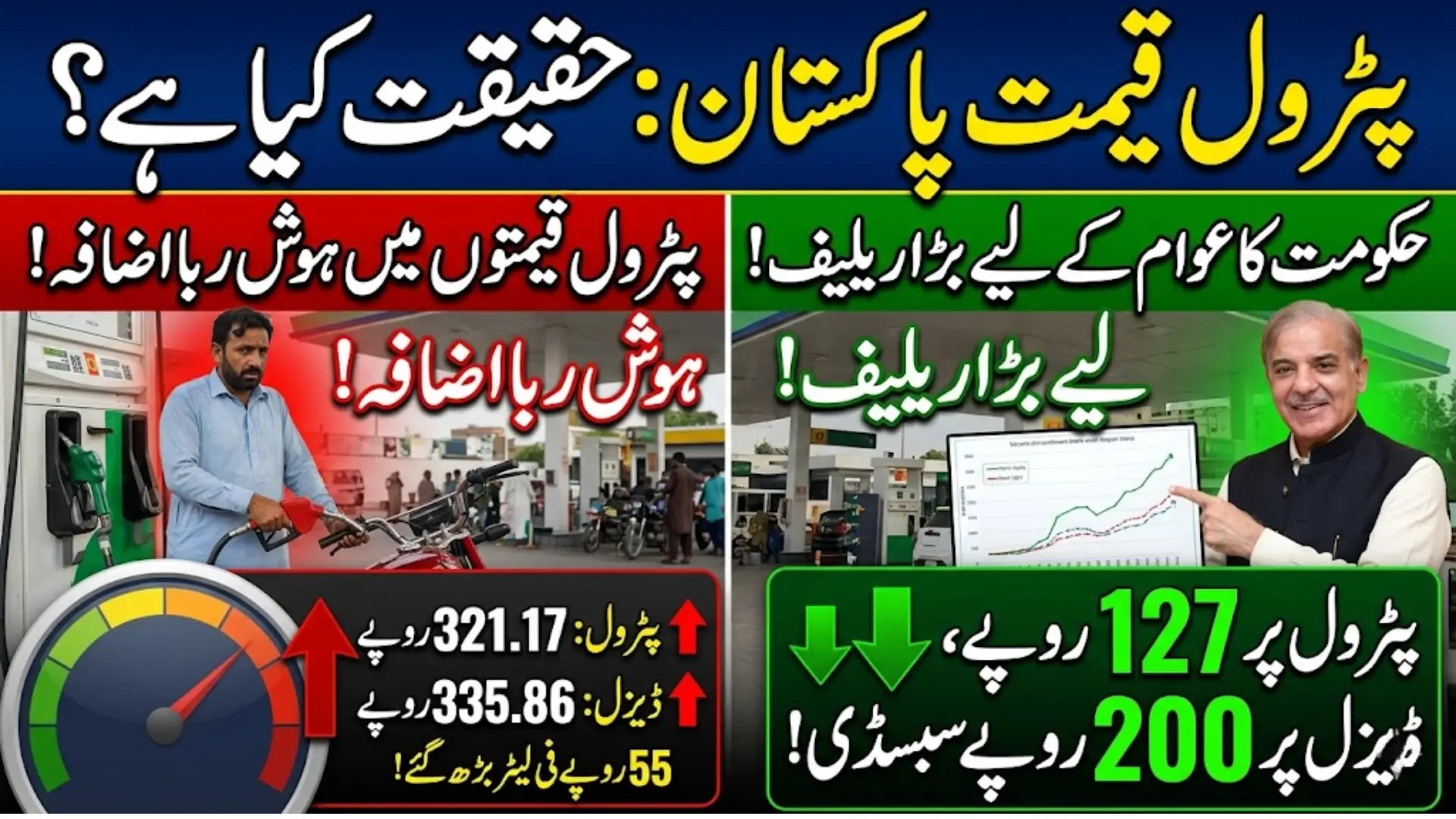
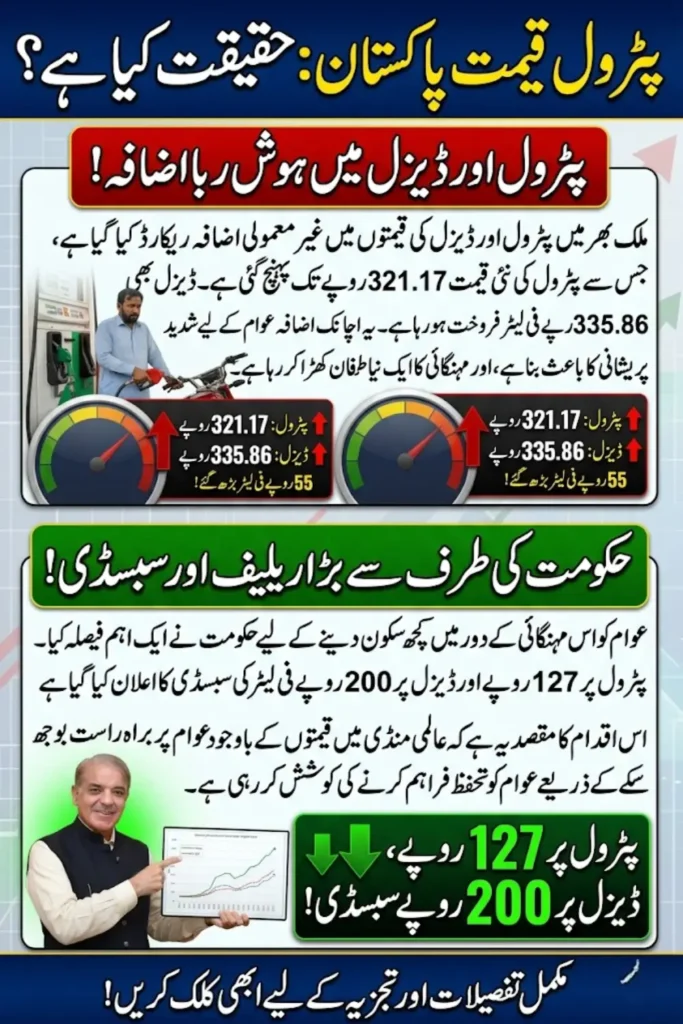
To control petrol price Pakistan, the government is currently providing a subsidy of up to Rs127 per litre on petrol. This decision aims to protect citizens from sudden and sharp increases in fuel prices.
By offering this subsidy, the government is absorbing a significant portion of the cost, allowing people to continue managing their daily expenses without facing immediate financial stress.
Diesel Subsidy and Its Impact
In addition to petrol, the government is also offering a subsidy of more than Rs200 per litre on diesel. Diesel plays a crucial role in Pakistan’s economy, especially in transportation, agriculture, and the delivery of goods.
By keeping diesel prices stable, the government is trying to prevent an increase in transport fares and the cost of essential items, which could otherwise lead to inflation.
Global Oil Prices and Regional Tensions
Petrol price Pakistan is heavily influenced by global oil prices. Recent increases in international oil rates, along with ongoing tensions in the Middle East, have created strong pressure on local fuel prices.
These global challenges make it difficult for the government to maintain stable prices, forcing policymakers to take difficult but necessary decisions.
Measures to Reduce Fuel Consumption
To manage fuel usage, the government has introduced several measures aimed at reducing unnecessary consumption. Restrictions have been placed on the use of government vehicles to limit fuel waste.
These steps are intended to promote responsible energy usage and ensure that available resources are used efficiently during uncertain times.
Increased Levy on Luxury Fuel
Another important step related to petrol price Pakistan is the increase in levy on fuel used by luxury vehicles. The government has raised this levy by Rs200 per litre to discourage excessive fuel consumption by high-end users.
This policy also shifts the financial burden toward wealthier individuals, helping to protect lower- and middle-income groups.
Sustainability of Subsidy Policy
While subsidies are providing relief, maintaining such large financial support over a long period is a challenge. Officials have indicated that if global oil prices continue to rise, it may not be possible to sustain these subsidies indefinitely.
This highlights the need for a balanced policy that supports the public while also protecting the country’s economy.
Recent Increase in Petrol Price Pakistan
Earlier this month, petrol price Pakistan saw a significant increase of Rs55 per litre. Following this rise, the price of petrol reached Rs321.17 per litre, while diesel climbed to Rs335.86 per litre.
These increases show how quickly fuel prices can change due to external factors, making government intervention even more important.
Environmental Concerns and Fuel Usage
Apart from economic challenges, there are also growing concerns about environmental pollution. Increased fuel consumption contributes to air pollution and climate issues.
This situation highlights the importance of reducing fuel usage, adopting cleaner alternatives, and promoting environmentally friendly practices.
Conclusion on Petrol Price Pakistan
The current situation of petrol price Pakistan reflects a delicate balance between providing public relief and managing economic realities. Government subsidies on petrol and diesel are helping citizens cope with rising costs, while additional measures aim to control consumption and ensure fairness.
However, long-term stability will depend on global oil trends, responsible usage, and effective policy decisions. Careful planning and collective efforts will be essential to manage fuel prices and protect the economy in the future.