Punjab Electric Bus Scheme
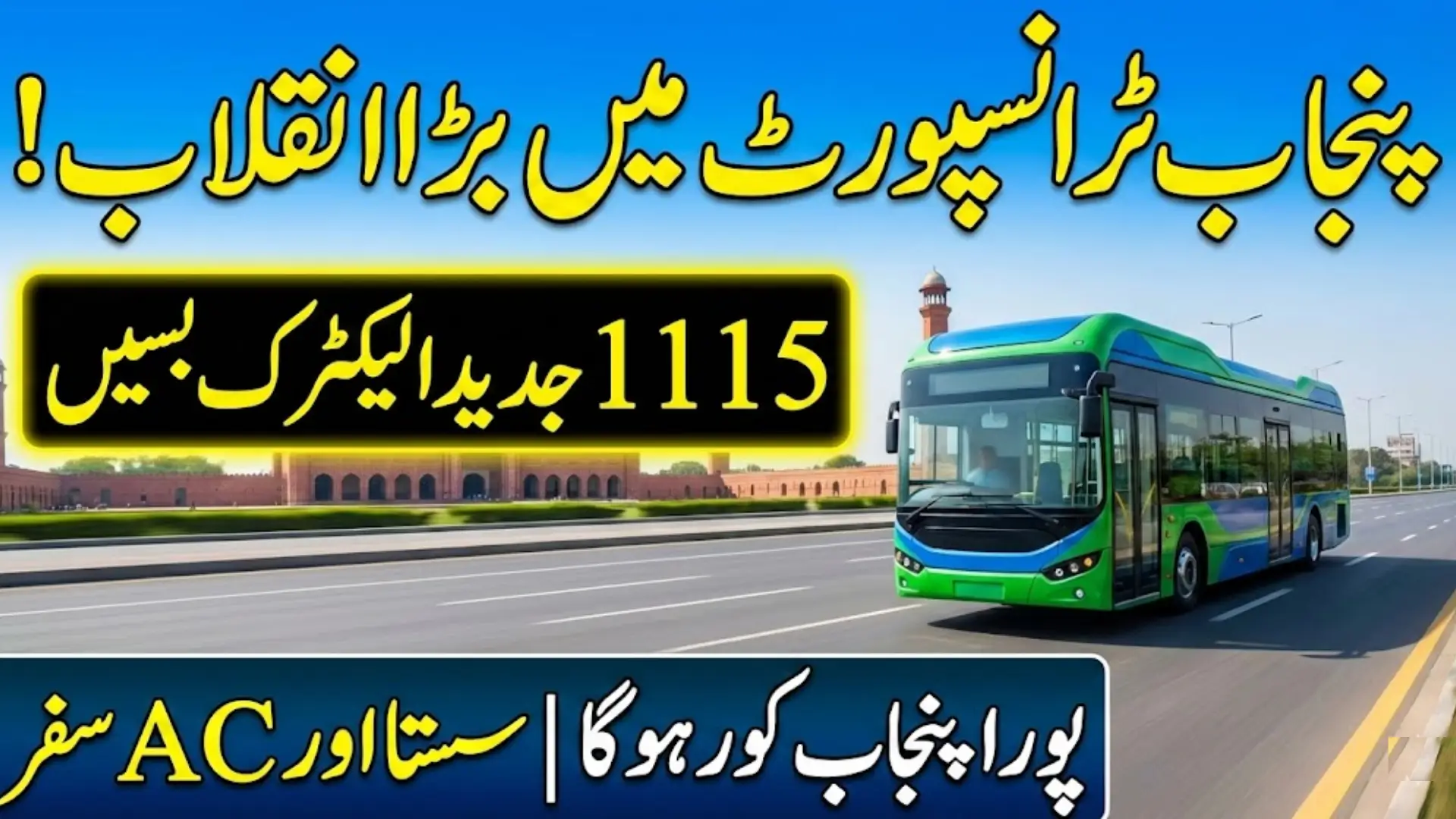
Punjab Electric Bus Scheme Punjab is entering a new era of public transport with the launch of the Punjab Electric Bus Scheme, a project designed to modernize commuting, reduce air pollution, and provide an eco-friendly, reliable, and affordable travel experience. Supported by Chief Minister Maryam Nawaz, the scheme will deploy 1,115 electric buses across all districts of Punjab, with full operations expected by early 2026. The initiative aims to make travel safer, smoother, and environmentally sustainable for millions of daily commuters.
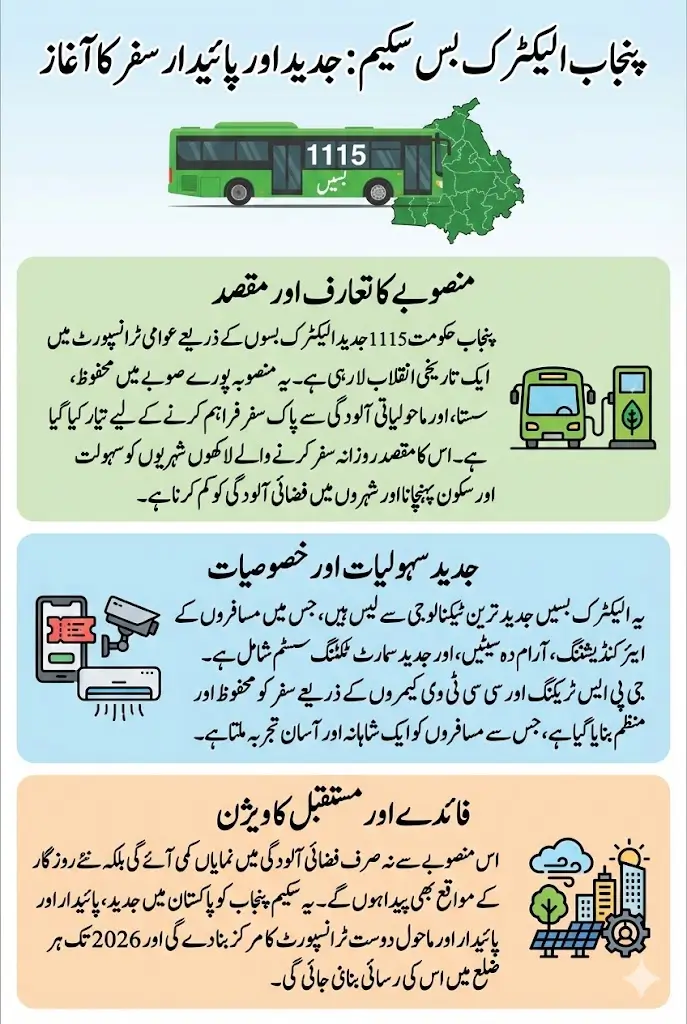
The project is not just about buses—it represents a larger vision for sustainable urban mobility. Alongside the buses, the government is upgrading infrastructure, installing charging stations, and integrating smart ticketing and GPS systems, making Punjab a pioneer in green public transport in Pakistan.
You Can Also Read: 8070 Ramzan Relief Package 2026
Introduction to Punjab’s Electric Transport Vision
Punjab has faced growing challenges with public transport. Overcrowded diesel buses, rising fuel costs, and increasing pollution have made daily commuting difficult. The Punjab Electric Bus Scheme is a step toward addressing these problems by introducing clean, efficient, and modern buses that promise smoother rides and lower operational costs.
The scheme is designed to improve urban and rural connectivity, ensuring that people in smaller towns also benefit from reliable public transport. Citizens can expect shorter waiting times, comfortable seating, and digital facilities that enhance the overall travel experience. The government’s goal is to create a standardized, sustainable, and tech-driven transport system that other provinces can replicate.
You Can Also Read: Parwaz Card 2026 How to Use
What Makes the Punjab Electric Bus Scheme Unique
Electric buses are significantly different from conventional diesel buses, both for the environment and daily commuters. Here’s what makes this initiative stand out:
- Eco-Friendly Operations: Electric buses produce zero emissions, reducing pollution in cities.
- Modern Technology: GPS tracking, digital displays, and smart ticketing make travel more efficient.
- Comfort and Safety: Air-conditioned buses with cushioned seating and onboard surveillance provide a safe and comfortable ride.
The Punjab government aims to set a national benchmark for public transport, showing how technology and clean energy can work together to benefit citizens and the environment.
You Can Also Read: Parwaaz Card 2026: Step-by-Step Guide to Create an Account
Total Electric Buses and District Coverage
A total of 1,115 electric buses will be deployed across Punjab. The deployment is divided into three phases, ensuring every district receives buses after infrastructure readiness:
| Phase | Area Type | Example Cities |
|---|---|---|
| Phase 1 | Urban | Faisalabad, Sargodha |
| Phase 2 | Semi-Urban | Mianwali, Wazirabad |
| Phase 3 | Rural | Muzaffargarh, Pakpattan |
This phased rollout ensures that high-traffic areas start operations first, followed by semi-urban and rural districts. By early 2026, every district will be covered, making modern transport accessible to all.
Step-by-Step Implementation Timeline
The Punjab Electric Bus Scheme follows a well-planned timeline to ensure smooth execution:
- Planning and Procurement: Buses are manufactured and assigned to specific districts based on population and demand.
- Infrastructure Preparation: Charging stations, depots, and solar-assisted energy systems are installed to support operations.
- Operational Launch: Phase-wise bus deployment begins in major cities first, expanding to smaller towns and rural areas.
The government has set strict deadlines with monitoring by district authorities to make sure every step is completed on time.
You Can Also Read: Parwaz Card for Overseas Job Expenses Complete Step-by-Step
City-Wise Deployment Strategy
The government has adopted a strategic city-wise deployment plan to ensure efficiency:
- Phase One (Urban Centers): High-traffic cities like Faisalabad and Sargodha will serve as model hubs.
- Phase Two (Semi-Urban Areas): Cities such as Mianwali and Wazirabad will get buses once charging stations are ready.
- Phase Three (Rural Districts): Smaller towns like Muzaffargarh and Pakpattan will receive buses last, ensuring full infrastructure support.
This approach ensures that citizens in every part of Punjab will eventually benefit from modern, reliable transport.
You Can Also Read: Parwaaz Loan Late Payment Penalties
Features of Electric Buses
The electric buses are designed with passenger convenience and safety in mind. Features include:
- Air-conditioning for comfort during hot weather.
- Digital route displays to guide passengers.
- CCTV surveillance and GPS tracking for safety and operational monitoring.
- Smooth and quiet rides, making daily commuting less stressful.
These features make travel more predictable and comfortable, encouraging more citizens to use public transport instead of private vehicles.
Smart Ticketing and Affordable Fares
Punjab is introducing digital ticketing to make travel efficient and affordable. Key points:
- Passengers can use mobile apps or smart cards for cashless travel.
- Low fares are designed to remain affordable for students, workers, and daily commuters.
- The system reduces queues and ensures transparent fare collection.
This modern approach helps reduce reliance on cash payments and ensures a smooth and organized transport experience for passengers.
You Can Also Read: Parwaaz Card Portal Password Recovery Process
Power Supply and Charging Infrastructure
Reliable charging infrastructure is critical for the scheme’s success:
- Solar-assisted charging stations are being installed in every district.
- Fast charging ports ensure buses are ready for daily operations.
- Smart energy monitoring systems optimize electricity usage.
The government is also upgrading the power grid to handle increased demand, ensuring that energy shortages do not disrupt bus services.
Employment and Skills Development
The scheme is also creating job opportunities for local residents:
- Hiring drivers, technical staff, and maintenance crews.
- Training programs for electric vehicle maintenance.
- Promoting green skills and technical expertise for the future.
By combining environmental initiatives with employment opportunities, the project benefits both citizens and the local economy.
Environmental and Health Benefits
Replacing diesel buses with electric ones will have a positive impact on Punjab’s environment:
- Zero emissions improve air quality.
- Quieter buses reduce noise pollution in cities and towns.
- Healthier communities, particularly for children and the elderly.
This project aligns with Pakistan’s broader goals of sustainable development and climate-friendly urban planning.
District-Level Monitoring and Governance
Deputy Commissioners and district administrations are responsible for:
- Overseeing charging station installations.
- Monitoring bus schedules and operations.
- Ensuring that phase-wise rollout stays on track.
Regular monitoring ensures the scheme operates efficiently and meets its objectives on time.
Integration with Other Punjab Development Projects
The electric bus scheme is integrated with broader urban and infrastructure plans:
- Super Rapid Transit (SRT) system for major cities.
- Upgrades to WASA and filtration plants.
- Development of model villages and urban facilities.
This ensures a connected and modern transport ecosystem across Punjab.
Benefits for Citizens
Once fully operational, citizens can expect:
- Comfortable and safe travel with modern buses.
- Affordable fares through digital ticketing.
- Reduced traffic congestion and shorter travel times.
- Enhanced connectivity between cities and rural areas.
The scheme will make commuting simpler, more convenient, and environmentally friendly.
Challenges and Government Preparedness
While ambitious, the scheme faces challenges such as:
- Infrastructure readiness in rural districts.
- Stable power supply for charging buses.
- Availability of skilled workforce for maintenance and operations.
The government has planned training programs, grid upgrades, and phased deployment to overcome these challenges.
What Citizens Should Expect Next
In the coming months:
- Trial operations in major cities before full-scale deployment.
- Route details and schedules will be made publicly available.
- Full-scale rollout across all districts by early 2026.
Residents can also expect mobile apps, smart cards, and real-time updates to make commuting smoother.
Conclusion
The Punjab Electric Bus Scheme is a game-changer for public transport in Pakistan. By combining eco-friendly buses, modern technology, and district-wide coverage, it ensures:
- Safer, cleaner, and more reliable travel.
- Reduced air pollution and healthier communities.
- Enhanced connectivity across urban and rural Punjab.
By early 2026, every district in Punjab will have access to modern electric buses, marking a significant step toward sustainable and smart public transport.